Italian Wine Custard Zabaglione Recipe
If you’re craving a dessert that’s elegant, silky, and packed with flavor, you’re in for a treat with this Italian Wine Custard Zabaglione Recipe. It’s one of my all-time favorite indulgences from the heart of Italy—impressively simple but utterly decadent, with a fluffy, wine-infused custard that feels like a warm hug on a chilly evening. Stick around because this recipe is fan-freaking-tastic and I’m going to walk you through everything you need to make it perfect every time.
Why This Recipe Works
- Simple Ingredients: Only a handful of pantry staples make this dessert approachable and cost-effective, yet luxurious.
- Tender Technique: Cooking the custard gently over simmering water ensures perfect, silky texture without curdling.
- Flexible Flavors: Different Italian wines let you play with depth and aroma, tailoring zabaglione to your taste.
- Quick & Satisfying: From start to finish, it’s ready in about 15 minutes—perfect for last-minute entertaining.

Ingredients & Why They Work
The magic of this Italian Wine Custard Zabaglione Recipe lies in how a few simple ingredients come alive with technique. Choosing quality components really shines here, especially with the wine – it’s the heartbeat of the flavor.
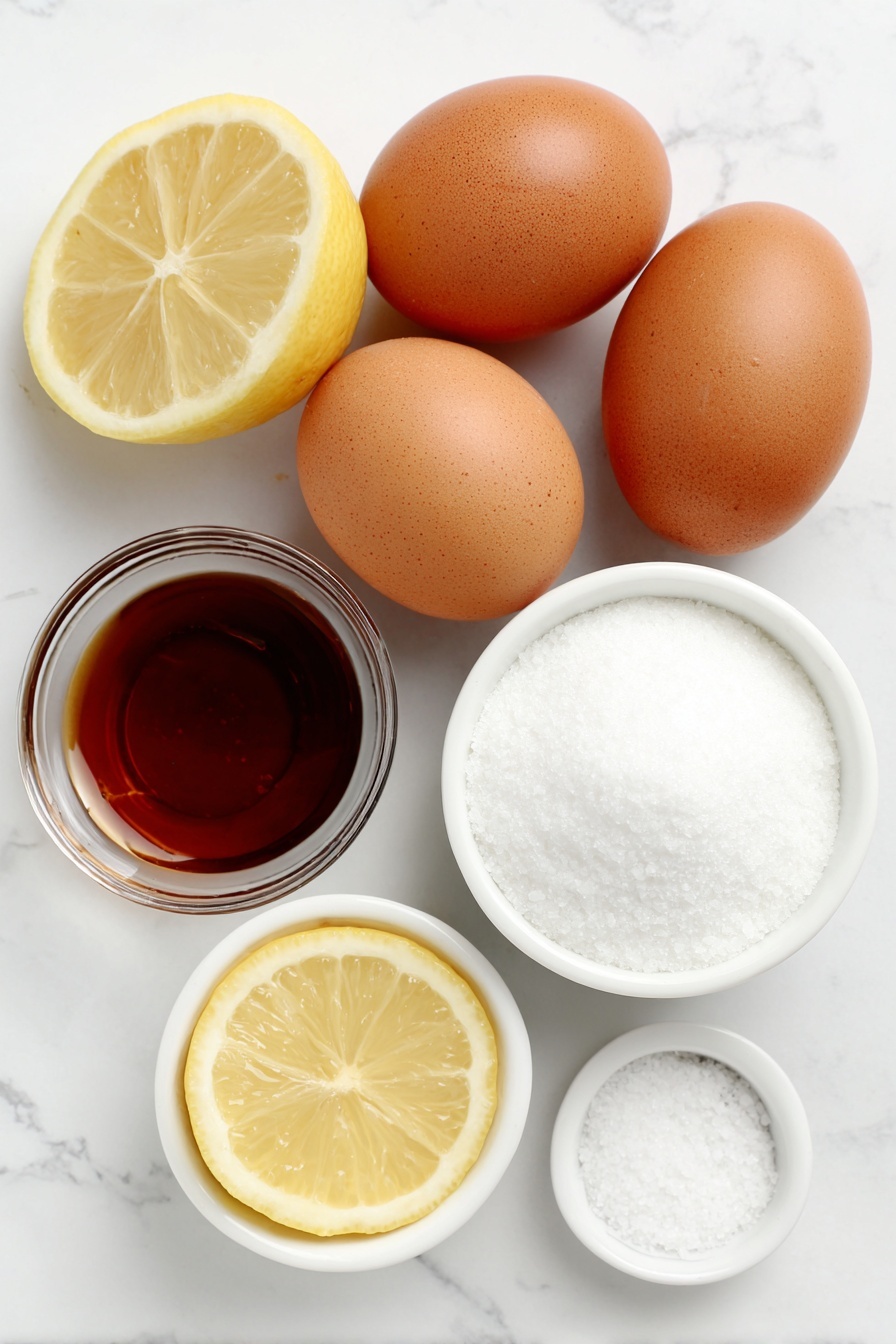
- Egg yolks: They give the custard its rich, creamy body and emulsify the mixture perfectly.
- Granulated sugar: Sweetens gently, helping the zabaglione to thicken beautifully as you whisk.
- Marsala wine (or Vin Santo, Moscato d’Asti): This is the star flavor; Marsala offers a classic, caramel-honey depth, while alternatives bring their own unique notes.
- Pinch of salt: Balances sweetness and enhances the overall flavor complexity.
- Fresh lemon juice (optional): Adds a fresh brightness that cuts through the richness and lifts the custard.
Make It Your Way
What I truly love about the Italian Wine Custard Zabaglione Recipe is how easy it is to adapt. I often tweak the wine choice based on the occasion or season, and you should too—you’ll be amazed at how the custard’s personality shifts.
- Variation: Once, I swapped Marsala for a lightly sparkling Moscato d’Asti and it turned the custard into a bubbly, floral treat — perfect for summer desserts.
- Dairy-free: Zabaglione is naturally egg and wine based, so if you want to skip whipped cream topping, it’s still fully delicious and creamy.
- Sweetness level: Feel free to reduce sugar a bit if you prefer subtler sweetness, especially with sweeter wines.
- Texture tweak: For a mousse-like treat, fold in softly whipped cream after it cools slightly, then chill for a few hours.
Step-by-Step: How I Make Italian Wine Custard Zabaglione Recipe
Step 1: Set Up a Gentle Bain-Marie
Fill a medium saucepan with about 2 inches of water and bring it to a gentle simmer — not a full boil. You want steady bubbles, not a roaring boil, so the heat is even and gentle. Place a copper bowl or a heatproof glass bowl on top, ensuring the bottom doesn’t touch the water. This indirect heat prevents the eggs from scrambling and lets your zabaglione unfold its silky magic.
Step 2: Whisk Egg Yolks and Sugar Until Thick & Pale
Off the heat, whisk together the egg yolks and sugar. I like to use a balloon whisk for this part because it helps incorporate air quickly. This should take about 2 minutes; you’re aiming for a pale, creamy texture roughly doubled in volume. It’s the base that gives your zabaglione its signature lightness.
Step 3: Gently Incorporate the Wine and Seasoning
Spoon in the Marsala wine (or your wine of choice) slowly while whisking constantly. Add a pinch of salt to bring everything into balance. If you like a touch of brightness, a teaspoon of fresh lemon juice adds an amazing lift without overpowering that beautiful wine flavor.
Step 4: Cook and Whisk Over Simmering Water
This is where the magic really happens. Place your bowl back over the simmering water and whisk constantly — no breaks! It usually takes 7 to 10 minutes for the zabaglione to triple in volume and thicken to soft peaks. A handy trick I use is the “8-second spoon test”: if the trail your spoon makes holds for about 8 seconds before blending back in, it’s ready. If you stop whisking, you risk curdling, so keep those muscles moving.
Step 5: Serve Immediately (Or Chill for Mousse)
Traditionally, zabaglione is served warm—spoon it over fresh berries, slices of panettone, or crunchy cookies for a heavenly dessert. If you want a richer, mousse-like treat, let the custard cool slightly, fold in some softly whipped cream, and chill it for a couple hours. Either way, it’s a winner.
Tips from My Kitchen
- Use a Copper Bowl: Copper reacts with the egg yolks to stabilize the custard, helping it thicken smoothly and preventing curdling—if you don’t have one, a heavy glass bowl works too.
- Keep Whisking: Constant, vigorous whisking over low heat is non-negotiable—any pause can cause your eggs to scramble, and nobody wants lumpy zabaglione.
- Choose Your Wine Thoughtfully: Marsala is classic, but experimenting with Vin Santo or Moscato d’Asti brought exciting touches to my first zabaglione—you’ll love tasting different versions!
- Time Your Serving: Zabaglione is best served fresh and warm, so prepare your garnishes and accompaniments before starting to whisk.
How to Serve Italian Wine Custard Zabaglione Recipe
Garnishes
I’m a sucker for spoiling my zabaglione with fresh, seasonal berries—especially raspberries and strawberries—which provide a tart contrast to the sweet custard. Sometimes I sprinkle a few chopped toasted almonds for a little crunch, or dust with a light sprinkle of cocoa powder just to add a surprising touch that guests adore.
Side Dishes
Serving zabaglione alongside classic Italian panettone or biscotti is a match made in heaven. For a simpler option, crisp ladyfingers or fresh fig slices work beautifully. If I’m feeling extra festive, I pair it with an espresso or a neat glass of the same wine used in the custard—it elevates the dessert course entirely.
Creative Ways to Present
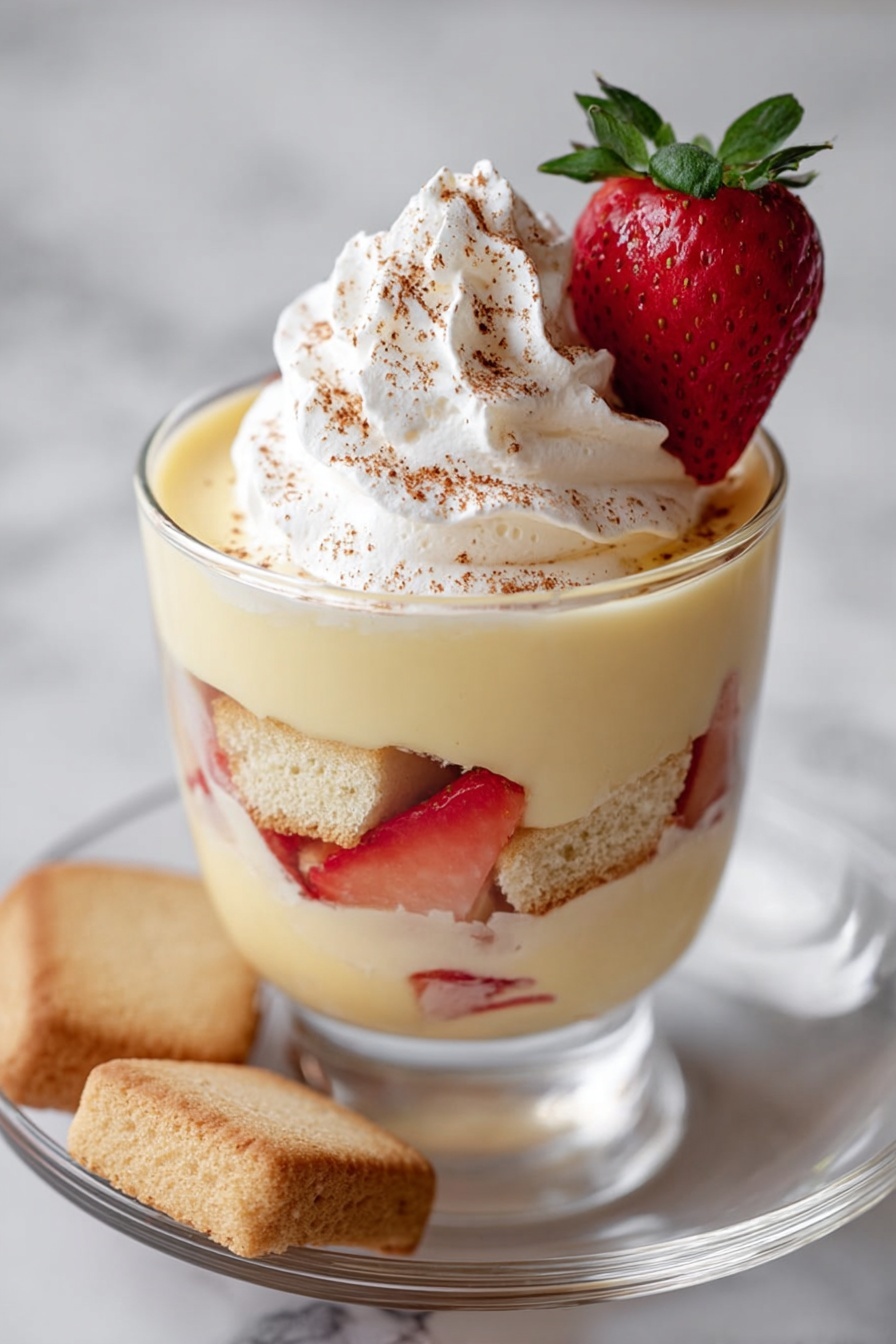
For holiday dinners, I love serving zabaglione in delicate coupe glasses topped with whipped cream and a single fresh berry for a sophisticated look. Another fun twist was using a siphon to make a light foam of zabaglione—served with poached pears, it was a real crowd-pleaser and super impressive with little effort.
Make Ahead and Storage
Storing Leftovers
If you happen to have leftovers, cover the zabaglione tightly with plastic wrap and keep it in the fridge for up to 24 hours. Keep in mind the texture changes—the custard will firm up and not be quite as airy, but still delicious for breakfast or a quick sweet snack.
Freezing
Because zabaglione is egg-based and delicate, freezing isn’t ideal. The texture tends to separate when thawed, losing that lovely fluffiness. I recommend making fresh whenever possible for the best experience.
Reheating
If chilled, gently warm your zabaglione over a bain-marie again with gentle whisking just until it softens—avoid direct heat to prevent scrambling. This helps revive a bit of that original velvety texture without losing flavor.
FAQs
-
Can I use a different type of wine for zabaglione?
Absolutely! Marsala is the classic choice, but you can use sweet Italian wines like Vin Santo for a richer flavor or Moscato d’Asti for a lighter, floral note. Just avoid dry wines that might make the custard too tart or bitter.
-
What’s the best way to avoid curdling?
The secret is constant, vigorous whisking over gentle heat. Setting up a bain-marie helps prevent direct intense heat, and never pause the whisking once you start cooking. Patience and steady whisking keep the eggs creamy.
-
Can I prepare zabaglione ahead of time?
You can make it a few hours ahead if you cool and chill it, especially if you fold in whipped cream to make a mousse. However, it tastes best fresh and warm right after cooking.
-
Is zabaglione safe to eat with raw eggs?
Since zabaglione is cooked over simmering water until thickened to soft peaks, the eggs are gently cooked. If you’re concerned, using pasteurized eggs can offer peace of mind without compromising texture and taste.
Final Thoughts
Honestly, this Italian Wine Custard Zabaglione Recipe holds a special place in my heart—it’s the kind of dessert that feels fancy but is so easy to whip up last minute. Sharing it with friends or family instantly makes occasions feel warmer. Give it a try; I promise you’ll enjoy this perfect combo of airy sweetness and wine’s cozy depth. It always inspires me to slow down and savor the simple pleasures in the kitchen — trust me, it’ll do the same for you.
Print
Italian Wine Custard Zabaglione Recipe
- Prep Time: 5 minutes
- Cook Time: 10 minutes
- Total Time: 15 minutes
- Yield: 4 servings
- Category: Dessert
- Method: Stovetop
- Cuisine: Italian
- Diet: Vegetarian
Description
Zabaglione (Zabaione) is a classic Italian wine custard made with egg yolks, sugar, and Marsala wine, gently cooked over a bain-marie until light and frothy. This authentic creamy dessert is perfect served warm over fruits, panettone, or cookies, or transformed into a mousse with whipped cream.
Ingredients
Zabaglione Ingredients
- 4 large egg yolks
- 1/4 cup granulated sugar
- 1/4 cup Marsala wine (or Vin Santo, Moscato d’Asti)
- Pinch of salt
- 1 tsp fresh lemon juice (optional)
Instructions
- Prepare the Bain-Marie: Fill a medium saucepan with 2 inches of water and bring to a gentle simmer, ensuring the water does not boil. Set a copper or heatproof glass bowl over the saucepan, making sure the bottom of the bowl does not touch the water.
- Whisk Yolks and Sugar: Off the heat, whisk the egg yolks and granulated sugar together vigorously until the mixture is pale and thick, approximately 2 minutes.
- Add Wine and Seasoning: Slowly incorporate the Marsala wine, a pinch of salt, and fresh lemon juice if using, whisking until fully combined.
- Cook Over Gentle Heat: Place the bowl over the simmering water and continuously whisk the mixture for 7 to 10 minutes, until it triples in volume and forms soft peaks. Test readiness by seeing if a trail from the spoon holds for 8 seconds.
- Serve Immediately: Spoon the warm zabaglione over berries, panettone, or cookies. For a mousse variation, let cool slightly, fold in whipped cream, and chill before serving.
Notes
- Use a copper bowl for best texture and stability of the custard.
- Whisk continuously while cooking to prevent curdling and achieve a smooth consistency.
- Experiment with different wines such as Marsala for a classic taste, Vin Santo for a deeper flavor, or Moscato d’Asti for a light and floral note.
- For make-ahead convenience, chill the zabaglione and serve with whipped cream or store in a siphon for dispensing.
Nutrition
- Serving Size: 1/4 recipe
- Calories: 180 kcal
- Sugar: 15 g
- Sodium: 30 mg
- Fat: 12 g
- Saturated Fat: 4 g
- Unsaturated Fat: 6 g
- Trans Fat: 0 g
- Carbohydrates: 16 g
- Fiber: 0 g
- Protein: 3 g
- Cholesterol: 220 mg