Homemade Turkey Gravy Recipe
There’s nothing quite like the rich, comforting taste of a perfectly smooth turkey gravy on a holiday table. If you’re looking for that *just-right* flavor and texture that’ll make your turkey sing, you’ve come to the right place. This Homemade Turkey Gravy Recipe is fan-freaking-tastic—trust me, it’ll become your go-to gravy every single time.
Why This Recipe Works
- Balanced Flavors: The combination of sage, thyme, and garlic complements turkey perfectly without overwhelming it.
- Smooth, Luscious Texture: Cooking the flour with butter before adding stock ensures no lumps and silky smooth gravy every time.
- Versatility: Use pan drippings for deep flavor or turkey stock for a lighter take — works beautifully either way.
- Quick & Simple: Whip up this gravy in under 20 minutes, perfect when you want homemade without a fuss.

Ingredients & Why They Work
Each ingredient in this Homemade Turkey Gravy Recipe plays its own part in building that delicious final taste and texture. Choosing fresh herbs and quality stock really brings this gravy to life.
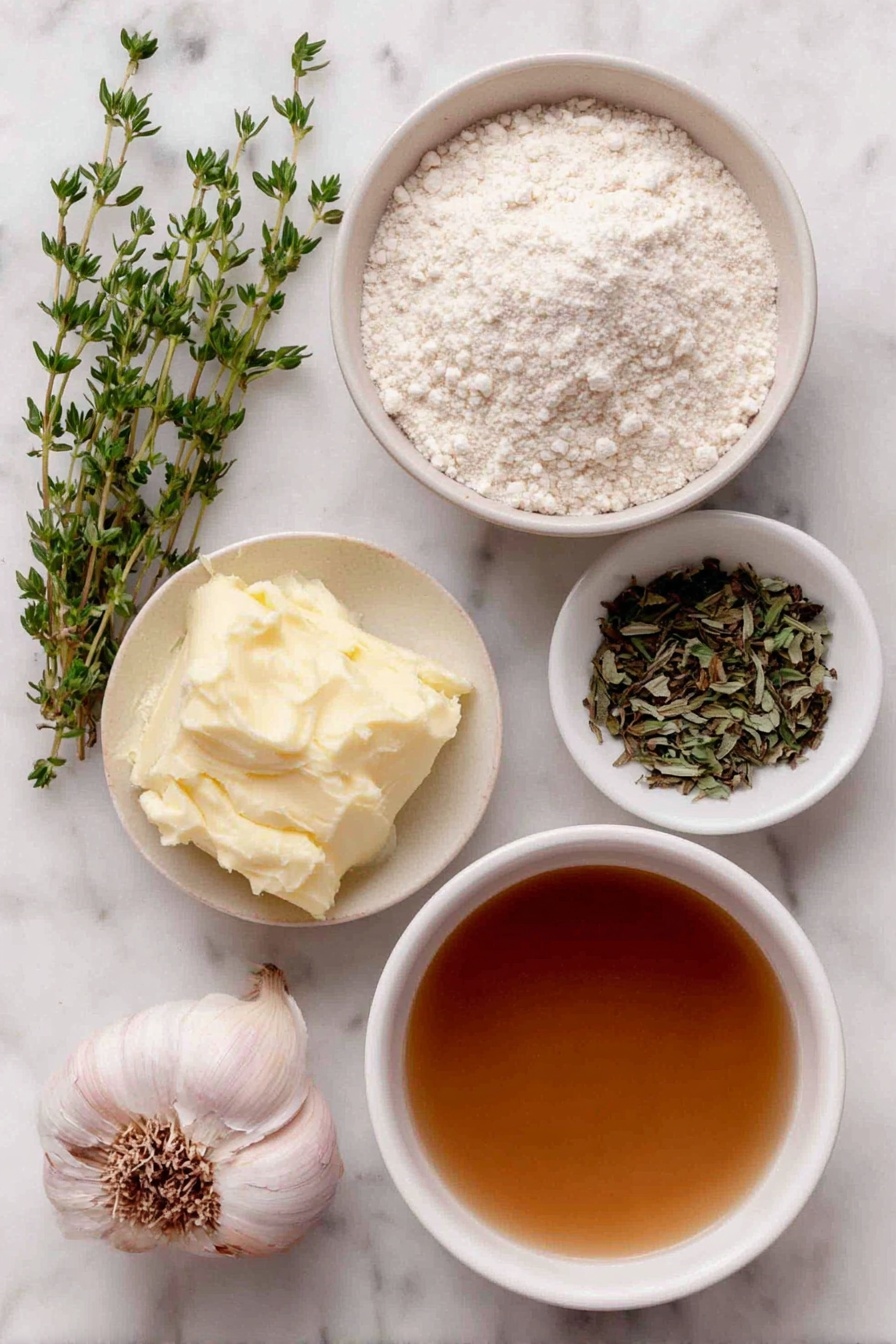
- Butter: Starts the gravy with a rich base and helps cook the flour for thickening without clumps.
- Dried Sage: Adds a warm, earthy hint that pairs naturally with turkey flavors.
- Fresh Thyme: Fresh herbs give that bright, fragrant touch that dried herbs can’t quite match.
- Garlic: Just a little fresh garlic adds subtle depth and savoriness.
- All-purpose Flour: The classic thickening agent that creates a beautiful velvety gravy.
- Turkey Stock (or Pan Drippings): The star ingredient for authentic flavor — homemade pan drippings are gold, but a good stock works perfectly too.
Make It Your Way
I love to tweak this Homemade Turkey Gravy Recipe based on the occasion and what’s in my pantry, and I encourage you to experiment too—little tweaks can make it yours.
- Herb Variations: Sometimes I swap fresh thyme for rosemary or add a pinch of sage powder if I’m out of dried sage. It keeps the flavor interesting and fresh.
- Vegetarian Version: If you’re skipping the turkey, use vegetable stock and a dash of soy sauce for depth, and you’re good to go!
- Extra Garlic Lovers: Double the minced garlic for a punchier profile—I do this when I want a bolder, heartier gravy.
- Thicker Gravy: If you like yours on the thicker side, just whisk in a bit more flour, 1 tablespoon at a time—but watch it so it doesn’t clump.
Step-by-Step: How I Make Homemade Turkey Gravy Recipe
Step 1: Gather and Prepare Your Stock
Start by straining your turkey pan drippings through a fine-mesh sieve—remove all the solids so your gravy ends up silky smooth. You want about 2 ½ cups of that glorious liquid; if it’s not enough, top it off with turkey or vegetable stock. This step is key because the flavorful liquid is the heart of your gravy.
Step 2: Sauté Your Aromatics
Melt the butter in a medium saucepan over medium heat. Toss in the minced garlic, dried sage, and fresh thyme. Stir constantly for about a minute until everything smells heavenly but not browned—this quick cooking releases those fresh herbal flavors just right.
Step 3: Form the Roux
Here’s where the magic thickens! Whisk in the flour and keep stirring frequently for about 2 minutes. The roux should turn a lovely golden color—that nutty aroma is your sign it’s ready. This step ensures when you add the stock, your gravy will thicken up perfectly, without lumps.
Step 4: Add Stock Gradually and Simmer
Slowly whisk in the turkey drippings or stock bit by bit. Don’t rush—gradual incorporation keeps your gravy lump-free and smooth. Bring it to a boil, then reduce the heat and let it simmer for 5 to 7 minutes, whisking frequently. You’ll see it thicken and develop that rich, shiny look.
Step 5: Season and Serve
Give your Homemade Turkey Gravy Recipe a taste, then add salt and pepper as needed. This last step personalizes the gravy, enhancing the depth. Serve it immediately over your turkey, mashed potatoes, or stuffing for pure comfort.
Tips from My Kitchen
- Don’t Skip Straining: Those little bits in pan drippings taste amazing but make your gravy grainy; straining is a game-changer.
- Constant Whisking: To avoid lumps and scorched roux, keep that whisk moving while you cook.
- Make Ahead: This gravy holds beautifully; I often make it earlier in the day and gently reheat without losing texture.
- Adjust Consistency Slowly: Adding more flour or stock incrementally gives you full control over thickness without messing up your batch.
How to Serve Homemade Turkey Gravy Recipe
Garnishes
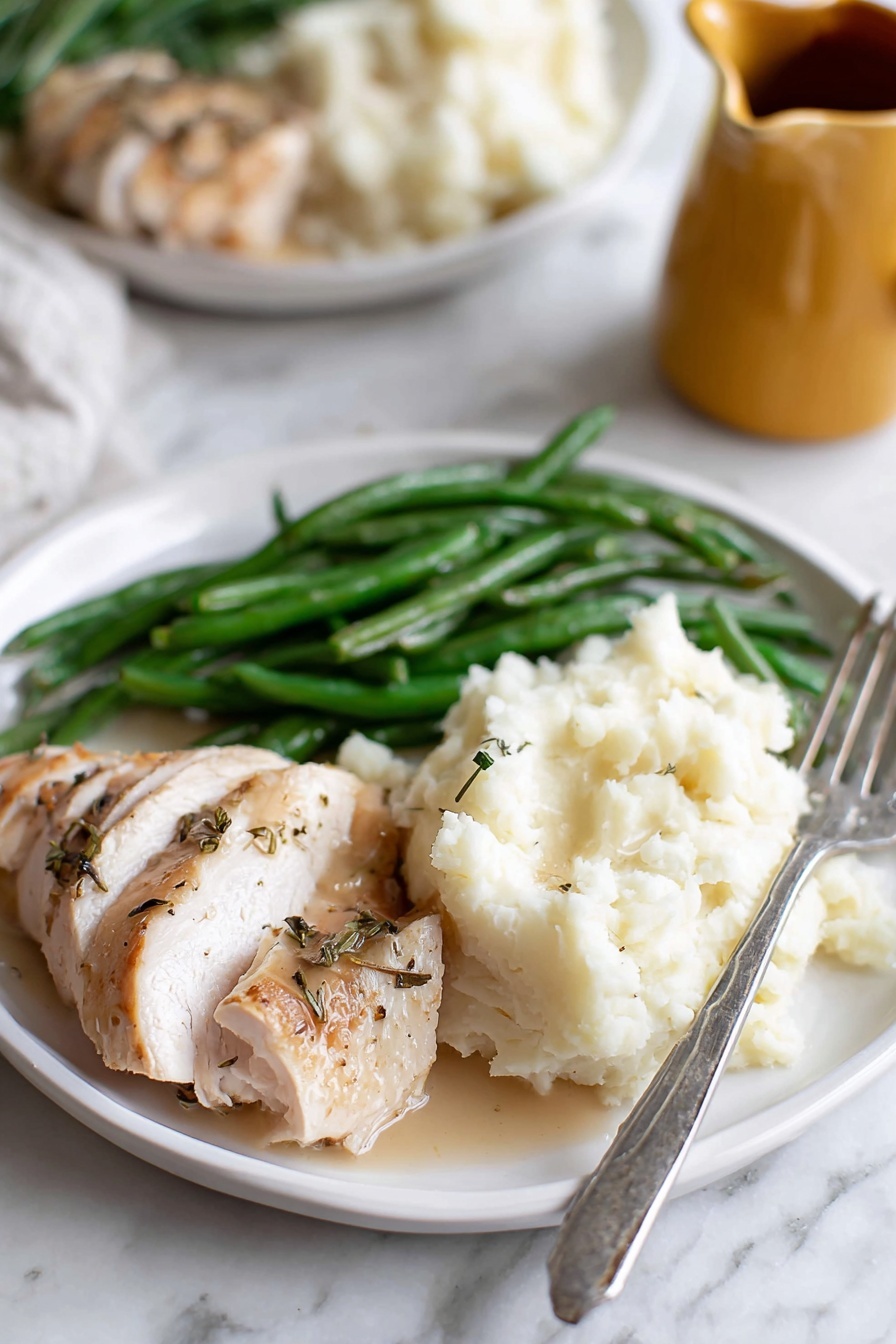
When I plate this gravy, I sometimes sprinkle a little fresh chopped thyme or sage leaves on top. Not only does it add a pop of color, but the fresh herb aroma right before digging in is just heavenly.
Side Dishes
This gravy pairs beautifully with classic sides like creamy mashed potatoes, buttery dinner rolls, and roasted Brussels sprouts. I’ve even ladled it over stuffing and sweet potatoes — every time, it pulls the whole meal together with that comforting, luscious touch.
Creative Ways to Present
For special festive dinners, I like serving the gravy in a beautiful gravy boat right at the table—nothing fancy, just classic charm. Another fun trick is to drizzle gravy artfully over individual slices of turkey on each plate, adding a touch of elegance and making every bite extra special.
Make Ahead and Storage
Storing Leftovers
Leftover gravy stores wonderfully in an airtight container in the fridge for up to 2 days. Just remember to bring it to a boil again before serving—it really perks the flavors up and gets that silky texture back.
Freezing
I freeze gravy in small portions inside freezer bags or containers for up to 4 months. Defrost overnight in the fridge, then heat slowly on the stove. I always whisk it while reheating to keep it smooth.
Reheating
Reheat your gravy gently over medium-low heat, whisking frequently until warmed through. If it’s thicker than you like, add a splash of stock or water to loosen it up without diluting the flavor.
FAQs
-
Can I make this Homemade Turkey Gravy Recipe without pan drippings?
Absolutely! If you don’t have pan drippings, you can use turkey or vegetable stock instead. The gravy will still be flavorful and delicious. Just make sure the stock is well-seasoned, and consider adding a little extra butter or herbs to boost the richness.
-
How do I fix gravy if it’s too thin or too thick?
If your gravy is too thin, whisk in a slurry made from 1 tablespoon flour mixed with 2 tablespoons cold water, then cook until thickened. If it’s too thick, gradually whisk in a bit more stock or water until you reach your desired consistency.
-
Can I prepare this gravy in advance?
Yes! You can make this gravy ahead of time and store it in the refrigerator for up to 2 days. When ready to serve, gently reheat on the stove, whisking to restore its smooth texture.
-
What herbs work best in turkey gravy?
Traditional herbs like sage and thyme are classic choices because they complement turkey wonderfully. Fresh thyme gives a subtle brightness, while sage adds warm, earthy notes. Rosemary can also be used for a more intense flavor.
Final Thoughts
This Homemade Turkey Gravy Recipe is one of those comforting kitchen treasures I’ve come back to time and again—whether it’s a holiday feast or a cozy Sunday dinner. It’s simple, quick, and full of flavor, the kind of gravy you’ll want to lace over everything from turkey to mashed potatoes and beyond. Give it a go, tweak it your way, and I promise it’ll become a beloved staple on your table too.
Print
Homemade Turkey Gravy Recipe
- Prep Time: 5 minutes
- Cook Time: 15 minutes
- Total Time: 20 minutes
- Yield: 12 servings
- Category: Sauce
- Method: Stovetop
- Cuisine: American
Description
This classic turkey gravy recipe uses pan drippings and aromatic herbs to create a rich, flavorful sauce perfect for complementing your turkey and sides. Made with butter, garlic, sage, thyme, and flour, the gravy is thickened with turkey stock and simmered to perfection for a smooth, savory finish.
Ingredients
Main Ingredients
- 1/4 cup butter
- 1/4 teaspoon dried sage
- 2 teaspoons fresh thyme minced
- 1 garlic clove minced
- 1/4 cup all-purpose flour
- 2 1/2 cups turkey stock preferably from pan drippings
Instructions
- Prepare Stock: If using pan drippings, strain them through a fine mesh sieve to remove solids. Reserve about 2 1/2 cups of liquid. If you lack enough pan drippings, substitute turkey or vegetable stock to reach the required amount.
- Melt Butter and Sauté Aromatics: In a 3-quart saucepan over medium heat, melt the butter. Add the minced garlic, dried sage, and fresh thyme and cook for 1 minute, stirring constantly to release the herbs’ flavors.
- Add Flour and Cook Roux: Whisk in the all-purpose flour and continue whisking frequently for about 2 minutes or until the mixture turns golden, creating a roux that will thicken the gravy.
- Incorporate Stock and Simmer: Gradually whisk in the reserved pan drippings or turkey stock, ensuring no lumps form. Bring the mixture to a boil, then reduce to a simmer and cook for 5 to 7 minutes while whisking frequently until the gravy thickens to a smooth consistency.
- Season and Serve: Taste the gravy and add salt and pepper as desired. Serve the gravy immediately for best flavor and texture.
Notes
- Refrigerate leftover gravy in an airtight container for up to 2 days; reheat by bringing it to a boil before serving.
- Freeze gravy in a suitable container for up to 4 months; thaw overnight in the fridge and heat thoroughly before serving.
- If pan drippings are lacking, homemade or store-bought turkey or vegetable stock works well as a substitute.
- Whisk constantly when adding flour and stock to prevent lumps and ensure a silky texture.
Nutrition
- Serving Size: 1/4 cup
- Calories: 70 kcal
- Sugar: 0.2 g
- Sodium: 150 mg
- Fat: 5 g
- Saturated Fat: 3 g
- Unsaturated Fat: 2 g
- Trans Fat: 0 g
- Carbohydrates: 5 g
- Fiber: 0.3 g
- Protein: 1 g
- Cholesterol: 15 mg