Basque Cheesecake Recipe
If you’ve been craving a cheesecake that’s creamy, rich, and has that signature caramelized top, you’re going to love this Basque Cheesecake Recipe. It’s rustic, surprisingly simple to make, and always a crowd-pleaser. Plus, I’ve learned a ton of tricks while perfecting it, so stick around—I’m going to share everything you need to make yours turn out absolutely fantastic.
Why This Recipe Works
- Simple Ingredients: It uses basic pantry staples, so no need for exotic shopping trips.
- Perfect Texture: The slow mixing and baking technique creates a creamy, custardy center with a caramelized crust.
- Rustic Charm: Its imperfect, browned top makes it look sophisticated without fuss.
- Flexible Sweetness: You can easily adjust sugar levels to suit personal tastes.

Ingredients & Why They Work
Each part of this Basque Cheesecake Recipe plays a crucial role in nailing its unique texture and flavor — nothing fancy, just smart choices. Here’s why these ingredients are my go-tos and some tips for picking the best.

- Cream Cheese: Always use full-fat and room temperature—it blends easier and results in that velvety richness we’re after.
- Granulated Sugar: Sweetens perfectly and helps with that classic caramelized top.
- Eggs: Room temperature eggs mix in better and make the cheesecake silky; add them one by one for a smooth batter.
- Heavy Cream: Use full-fat, room temp cream for richness; if you can find farm-fresh double cream, even better.
- Vanilla Extract: Adds subtle warmth, balancing the tang of the cream cheese.
- Salt: Enhances all the flavors without being noticeable.
- All-Purpose Flour: Just a small amount, sifted, to give the cheesecake structure without making it cakey.
Make It Your Way
This Basque Cheesecake Recipe is pretty forgiving, so I love giving it little personal twists depending on my mood or occasion. Don’t be afraid to experiment—you’ll enjoy making it truly yours.
- Variation: I’ve bumped the sugar up to 2 cups when I want it sweeter for a party, but sometimes I drop it to 1¼ cups if I’m serving it with fresh tart berries.
- Dietary Modifications: If you’re after a lighter version, try substituting half the cream cheese with mascarpone, which gives a fluffier texture.
- Seasonal Changes: Adding a splash of orange or lemon zest to the batter brightens the flavor in warmer months.
Step-by-Step: How I Make Basque Cheesecake Recipe
Step 1: Prep Your Pan Like a Pro
First things first, preheat your oven to 425°F. Then line a 9 or 10-inch springform pan with a double layer of parchment paper in a criss-cross pattern—the secret to getting that signature tall, rustic edge. To make the parchment easier to shape, wet it, scrunch it up, and then smooth it out in the pan. Be sure the paper extends about 2 inches above the rim to catch those lovely browned edges.
Step 2: Whip the Cream Cheese Until Silky
In a large bowl or stand mixer fitted with a whisk, whip the cream cheese on medium speed for 2 minutes until completely smooth and creamy. This step is crucial to avoid lumps and gives you that rich base. If you spot any stubborn bits, just scrape the bowl’s sides and keep whipping.
Step 3: Sweeten and Slowly Add Eggs
Add the sugar and beat until smooth, scraping down the bowl if needed. Then add eggs one at a time on low speed—only mixing enough to incorporate. This slow addition is key because rushing can trap air bubbles, and you want your cheesecake creamy, not souffle-like.
Step 4: Fold in Cream, Vanilla, Salt, and Flour
Next, with your mixer still on low, gently pour in the heavy cream, vanilla, and salt, mixing until combined. Finally, sift the flour directly into the bowl and mix just until incorporated—about 20 seconds. Overworking the flour will make your cake dense, so be gentle here.
Step 5: Bake Until Gorgeous and Golden
Pour your batter into the prepared pan, then place it on a rimmed baking sheet to catch any drips. Bake in the center rack for 50 to 65 minutes. The cheesecake will puff up and develop that breathtakingly caramelized, deep golden top. Don’t be alarmed if it sinks slightly when cooling—that’s exactly what should happen. The middle will still jiggle a bit but will firm up perfectly after chilling.
Step 6: Let it Cool and Chill Overnight
Once out of the oven, let it cool to room temperature on a wire rack, then refrigerate for at least 8 hours—overnight is ideal. This chilling step is where the magic really sets in, turning the cozy custard center into silky cheesecake heaven.
Tips from My Kitchen
- Use Room Temperature Ingredients: I can’t stress this enough—cold cream cheese or eggs can cause lumps and uneven mixing.
- Don’t Overmix: Mixing too much traps air bubbles, making your cheesecake turn out more like a souffle than the smooth rustic Basque style.
- Scrunch the Parchment: Wetting and scrunching the parchment helps it cling to the pan and creates those dramatic edges everyone loves on Basque cheesecake.
- Bake on a Rimmed Tray: Because the batter can bubble over, this saves you from a messy oven cleanup.
How to Serve Basque Cheesecake Recipe

Garnishes
I like serving my Basque cheesecake pretty simply, letting that luscious caramelized top shine. A spoonful of fresh berry compote or a drizzle of honey brings out a lovely contrast without overpowering the flavor. Sometimes, I sprinkle some toasted almonds or flaky sea salt for extra texture and depth.
Side Dishes
This cheesecake pairs beautifully with a cup of strong coffee or a glass of dessert wine. For brunch, I love serving it alongside fresh fruit like figs or oranges to balance the richness. It’s also a perfect finish to a cozy dinner with roasted nuts or a light salad beforehand.
Creative Ways to Present
For special occasions, I’ve dressed mine with edible flowers and a dusting of powdered sugar for a delicate look. Another fun way is slicing into bite-sized cubes and serving them with espresso shots or mini spoons as a classy finger dessert. Wrapping the parchment edges with a twine bow even makes it gift-ready!
Make Ahead and Storage
Storing Leftovers
Once your Basque cheesecake has cooled and chilled, keep it stored in the refrigerator, wrapped loosely in the parchment paper. It lasts beautifully up to a week and honestly tastes even better after a day or two as the flavors meld.
Freezing
If you want to make it ahead or save leftovers for longer, just wrap it tightly in plastic wrap and then in aluminum foil before freezing. I’ve frozen mine up to 3 months with great results. When you’re ready, thaw it overnight in the fridge.
Reheating
I usually serve Basque cheesecake chilled or at room temperature, but if you like it a little warmer, just let slices sit out for 30 minutes before serving. Avoid microwaving it; the texture can change. If you must, do a gentle warm-up in a toaster oven for a few minutes, watching carefully.
FAQs
-
Can I use low-fat cream cheese or non-dairy substitutes for this Basque Cheesecake Recipe?
For the best texture and flavor, full-fat cream cheese and heavy cream are recommended. Low-fat or non-dairy versions often don’t set properly and may lead to a grainy texture. If you need to substitute, try blending silken tofu with a bit of coconut cream, but expect a different result.
-
Why is my Basque cheesecake cracking or sinking too much?
Sinking and slight cracking are actually normal for Basque cheesecake—it has a rustic, imperfect look. However, overmixing can cause excessive air, resulting in large cracks or too much deflation. Also, avoid opening the oven too early to keep the structure from collapsing suddenly.
-
How do I get that signature burnt top without burning the whole cake?
High oven temperature (425°F) makes the top caramelize and darken beautifully while keeping the center creamy. Using parchment paper and baking on a rimmed tray helps prevent drips and scorching on the bottom. Keep an eye toward the end to make sure it’s browned but not burnt.
-
Can I make the Basque Cheesecake Recipe in a different size pan?
You can use a 9 or 10-inch springform pan as stated. Using a smaller pan will make it thicker, requiring longer baking times, and a larger pan will make it thinner and bake faster. Adjust baking times accordingly and check for that golden top and jiggle in the center.
Final Thoughts
This Basque Cheesecake Recipe has become one of my absolute favorites to bake—not just because it’s easy and beautiful but because it fills my kitchen with the kind of warmth and sweetness only homemade desserts can bring. Trust me, once you get the hang of it, you’ll be making it for birthdays, dinner parties, or just a cozy treat on a quiet night. Give it a try, and I promise—it won’t be your last!
Print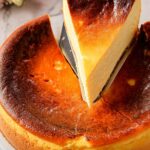
Basque Cheesecake Recipe
- Prep Time: 15 minutes
- Cook Time: 1 hour
- Total Time: 11 hours 15 minutes
- Yield: 12 servings
- Category: Dessert
- Method: Baking
- Cuisine: Spanish
Description
A rich and creamy Basque Cheesecake with a beautifully caramelized top and silky texture, perfect for a rustic yet impressive dessert that’s easy to make at home.
Ingredients
Cheesecake Batter
- 32 ounces cream cheese, room temperature and full-fat only
- 1½ cups granulated sugar
- 5 large eggs, room temperature
- 1½ cups heavy cream, room temperature
- 1 tablespoon vanilla extract
- 1 teaspoon salt
- ⅓ cup all-purpose flour, sifted
Instructions
- Prepare the Pan: Preheat the oven to 425°F and line a 9 or 10-inch springform pan with a criss-crossed double layer of parchment paper, which should extend about 2 inches above the rim. Wet, scrunch, and dry the parchment to make it easier to work with. Set aside.
- Whip Cream Cheese: In a large bowl or stand mixer fitted with a whisk attachment, whip the cream cheese for 2 minutes until smooth.
- Add Sugar: Add the granulated sugar gradually on medium speed and mix for about 2 minutes. Scrape down the bowl sides as needed to ensure no lumps remain.
- Incorporate Eggs: Add the eggs one at a time on low speed, mixing just until barely combined before adding the next, so that only a small bit of the yellow remains.
- Add Cream and Flavoring: With the mixer still on low speed, add the heavy cream, vanilla extract, and salt. Mix until fully incorporated.
- Add Flour: Sift the flour into the batter and mix for about 20 seconds to combine.
- Pour Batter: Pour the cheesecake batter into the prepared pan.
- Bake: Place the pan on a rimmed baking sheet and bake on the middle rack for 65 minutes. The cheesecake will puff up and then sink as it cools. It is done when the top is golden brown and the center is slightly jiggly.
- Cool: Transfer the cheesecake in the pan to a wire rack and cool to room temperature.
- Chill: Refrigerate the cheesecake for at least 8 hours, preferably overnight. Remove from the refrigerator 1 to 2 hours before serving. Use the parchment paper edges to lift the cheesecake off the pan base.
- Slice and Serve: For clean slices, heat a large chef’s knife under hot water and cut the cheesecake. Serve plain or with your favorite topping.
Notes
- If available, farm fresh double cream can be used instead of regular heavy cream for an even richer flavor.
- Do not remove the cheesecake from the pan until it has completely cooled to prevent cracking.
- Serve the cheesecake at room temperature for the best texture and flavor; always store it in the refrigerator when not served.
- Be cautious with mixing speeds to avoid overwhipping, which can cause air bubbles and a soufflé-like texture instead of a creamy one.
- The cheesecake can be frozen for up to 3 months. Cool completely, then wrap tightly with plastic wrap and aluminum foil before freezing.
- This recipe is forgiving and purposely rustic in appearance but yields a silky and creamy dessert.
- Sugar level can be adjusted between 1¼ cups to 2 cups depending on sweetness preference.
Nutrition
- Serving Size: 1 slice
- Calories: 450 kcal
- Sugar: 30 g
- Sodium: 300 mg
- Fat: 35 g
- Saturated Fat: 22 g
- Unsaturated Fat: 12 g
- Trans Fat: 0 g
- Carbohydrates: 28 g
- Fiber: 0 g
- Protein: 7 g
- Cholesterol: 125 mg